Walk down any long-haul jet bridge and you pass through a quiet hierarchy. Economy fills the back, business hides behind its curtain, and somewhere between them sits a third cabin that many travelers still cannot place. That cabin is premium economy, and it has quietly become one of the most popular products in the air.
The idea sounds vague, and in truth it is. Airlines define the class differently, and the fare can buy very different things depending on the carrier. This guide explains where the class came from, what it usually includes, and how to judge whether it is worth your money.
What Premium Economy Actually Is
Premium economy class, also known by brand names which vary by company, is a travel class offered on many airlines. It is usually positioned between standard economy class and business class in terms of price, comfort, and available amenities. The service codes used by airlines vary, but W is the most common booking code. For related coverage, see Which Gulf countries have VAT? The rates, explained.
The term has never been standardized among carriers. On some airlines, premium economy is limited to expanded leg room. On others, its most comprehensive versions can feature services associated with business class travel. That spread is the single most important thing to understand before you pay for the cabin. This connects to our earlier piece, First, Business or Economy? Choosing the Right Cabin by Trip Type.
How the Middle Cabin Began
The class has a clear birthday. On 12 December 1992, EVA Air introduced the Economy Deluxe Class, later renamed several times before settling on Premium Economy Class, on the inaugural flight of its first trans-Pacific route between Taipei and Los Angeles. That made EVA Air the first airline to offer this class of service, according to the standard account of the cabin's history.
The class also grew from corporate travel rules, not only comfort. In some countries, it emerged as a response from governments and companies that required staff to fly economy while still wanting some benefits, such as airport priority. The middle cabin gave employers a policy they could defend and gave travelers a compromise they could accept.
What You Usually Get
Because definitions vary, treat the features as a range rather than a list. At the strong end, Air New Zealand and Qantas build premium economy cabins with prioritized check-in, large customized seats, premium meals, a self-service bar, and amenity pouches with items such as socks and sleep masks. Seat pitch on those carriers can reach up to 41 inches, with about 50 percent more recline than economy.
- Wider seats with more recline than standard economy.
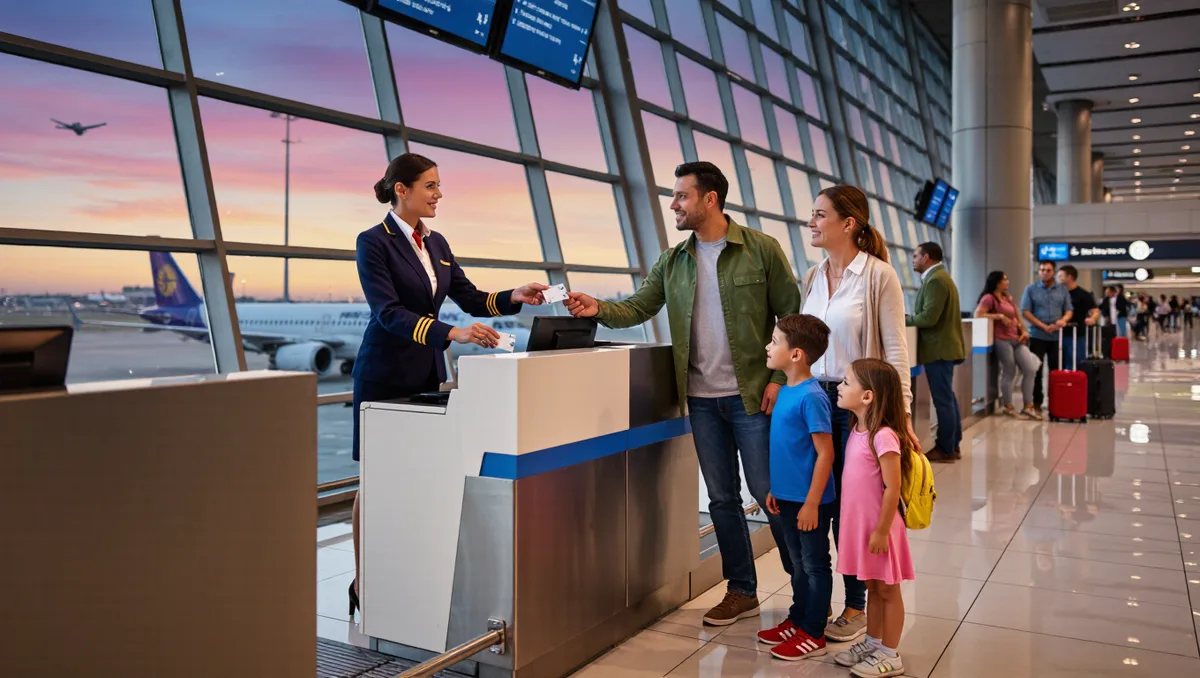
- Prioritized check-in, boarding and baggage handling on many carriers.
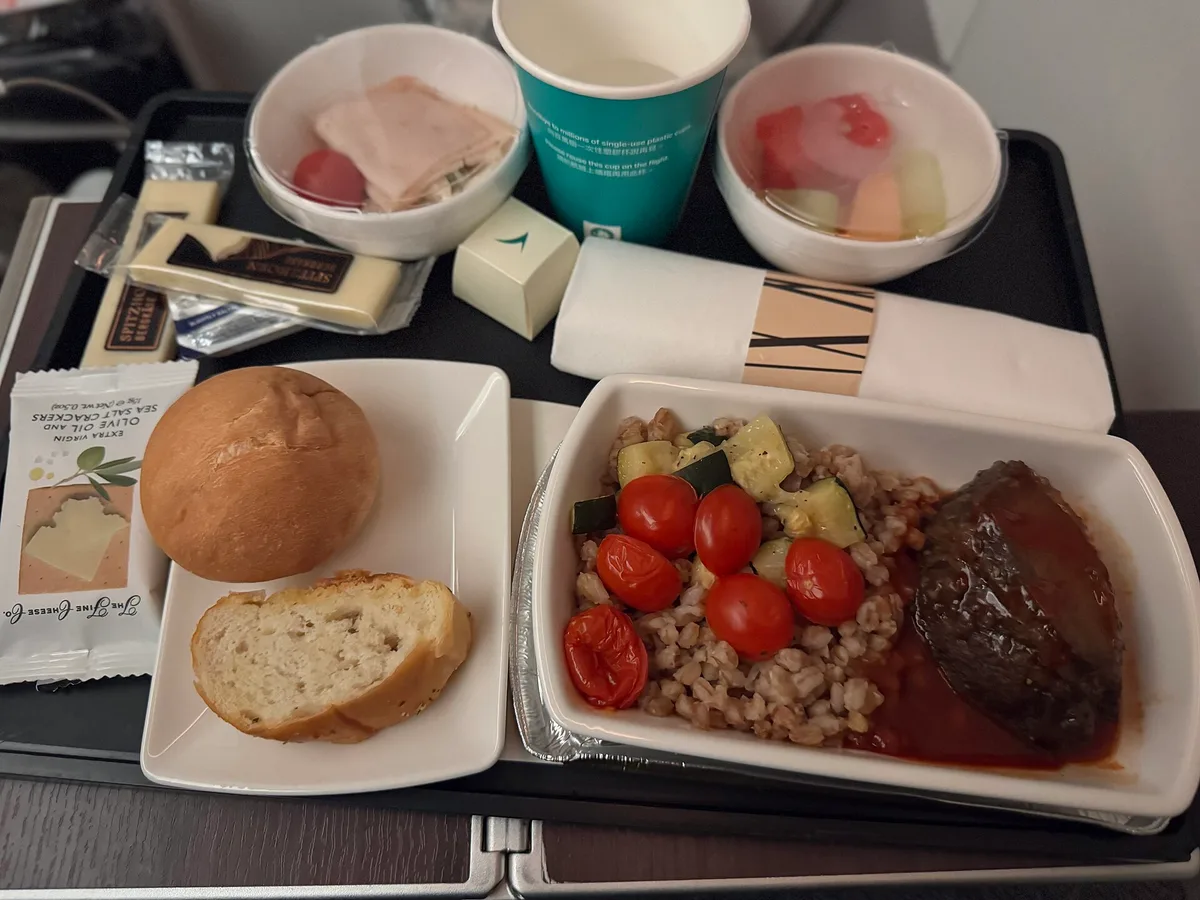
- Upgraded meals and, on some airlines, free alcoholic drinks.
- A mileage bonus in frequent flyer programs, between economy and business rates.
The upgrades also depend on the aircraft. They tend to be more common on wide-body jets such as the Boeing 777, and less common on narrow-body aircraft such as the Boeing 737. Always check the equipment on your route, not just the fare name.
Is the Upgrade Worth It?
One comparison helps. In the 1970s, many airlines offered economy seat pitches of roughly 34 to 36 inches, and United Airlines reportedly provided around 36 inches. That is comparable to the pitch offered by many carriers' premium economy cabins today. In other words, the middle cabin often sells the comfort that standard economy offered decades ago.
That framing makes the decision clearer. You are not buying a luxury; you are buying back space and service that economy has given up. On a short day flight, the price may be hard to justify. On a long overnight route, the same difference can change how you arrive.
Conclusion
Premium economy is best understood as a negotiated peace between price and comfort. It began with EVA Air in 1992, grew with corporate travel policies, and now varies widely from one carrier to the next. Check the seat pitch, the aircraft type and the included perks before you book. Do that, and the middle cabin becomes less a mystery and more a clear, priced answer to a long flight.