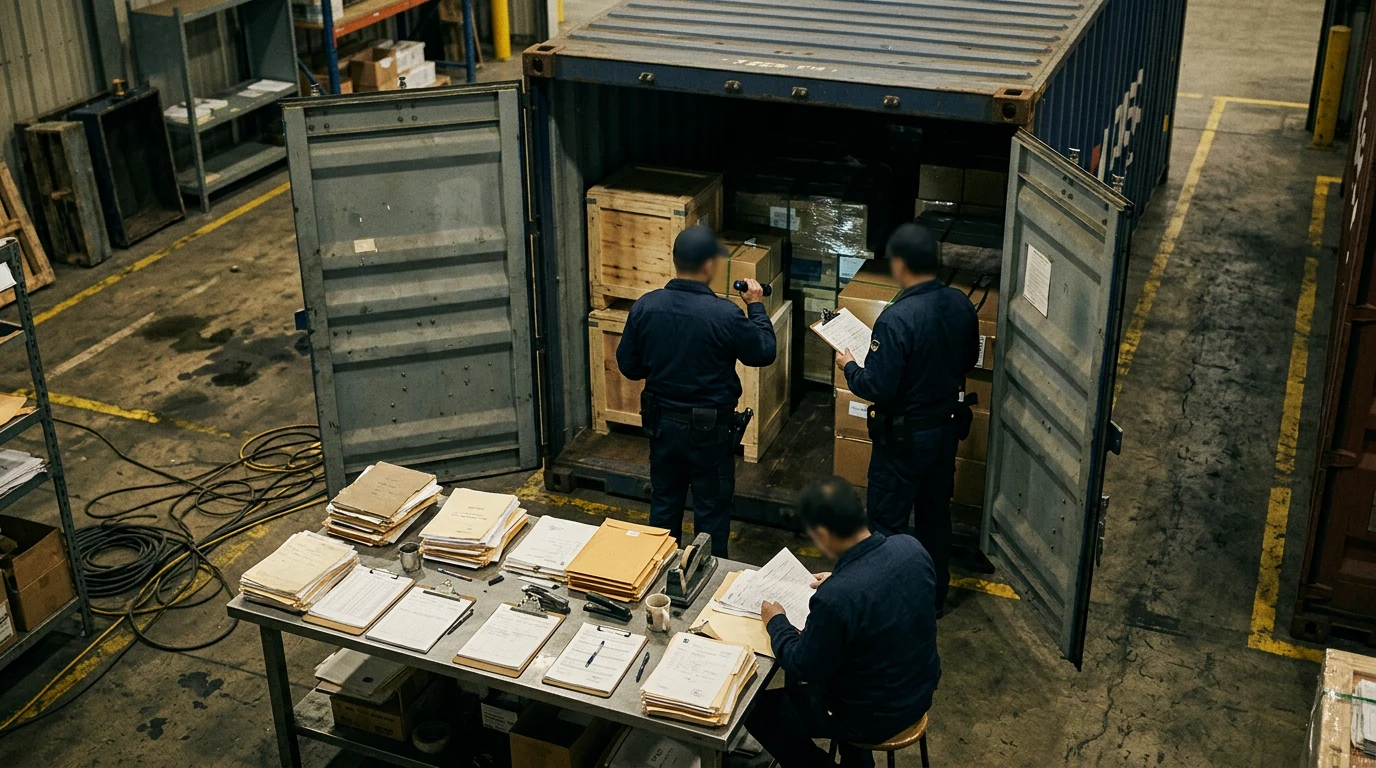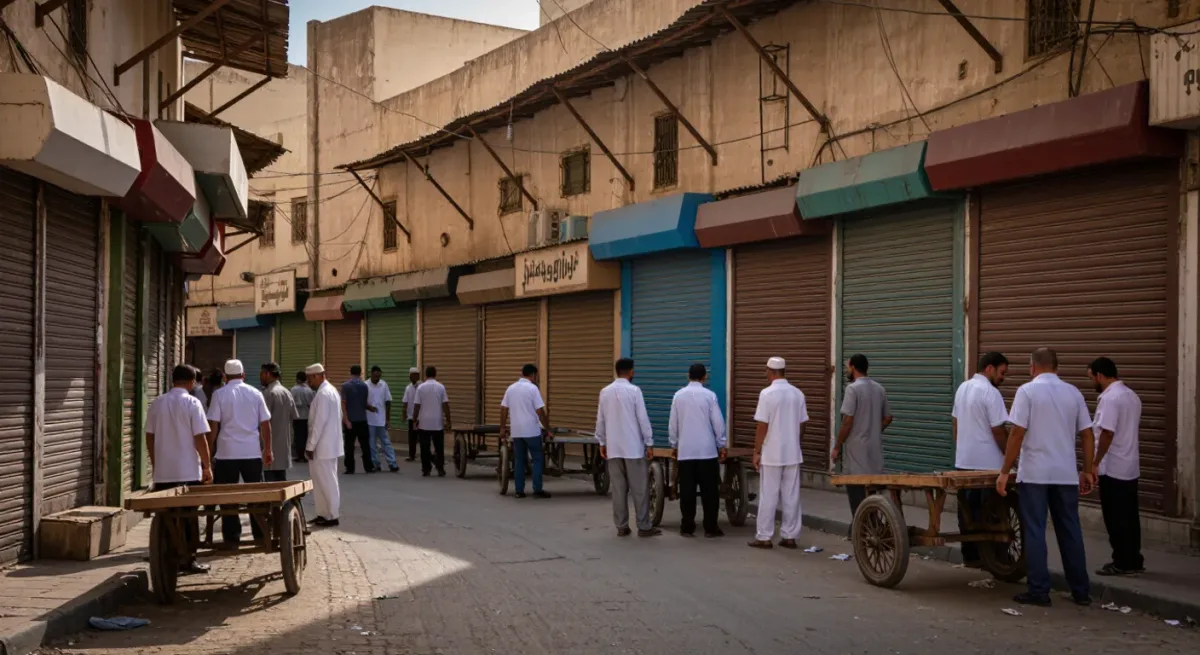
Protests erupted across Iraq in early July 2026 over new customs taxes affecting merchants, demonstrations that spread through the country's commercial cities as importers said the tariff measures stacked on top of war-inflated freight and insurance costs (The National, early July 2026). The unrest lands on a government already carrying the region's hardest political assignment: Prime Minister Ali al-Zaidi's administration faces a September deadline to disarm pro-Iran militias and satisfy Washington that Baghdad is not beholden to Tehran, per the Council on Foreign Relations' conflict tracking, while managing an economy squeezed from every direction.
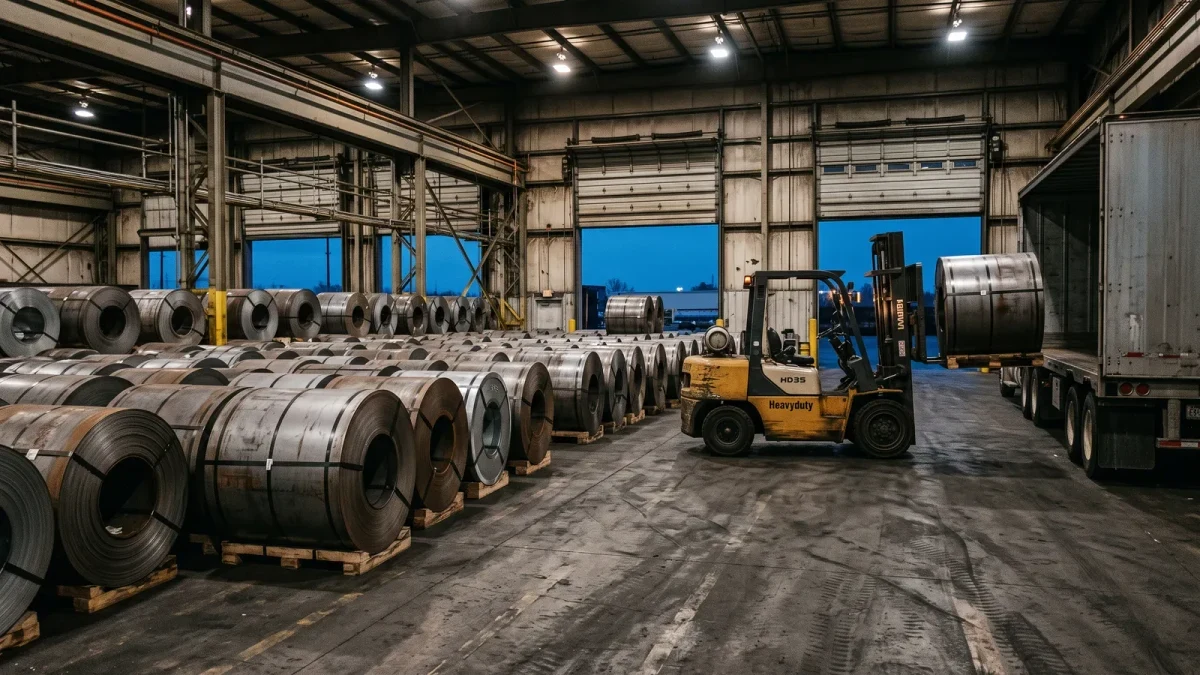
The customs question is technically small and politically large. Iraq imports the overwhelming share of its consumer goods, and the new duties raise landed costs on goods flowing through the ports and border crossings that dominate the country's trade geography. Merchants, the commercial class that anchors the bazaar economies of Baghdad, Basra and the southern cities, read the measures as a tax on a trade sector already absorbing the regional war's logistics premium, Red Sea risk repricing, Gulf insurance and rerouted shipping, and they took the protest into the streets within days of implementation.
What the protests look like
The demonstrations follow the pattern Iraq has rehearsed since 2019: merchant and civil contingents in city centers, road closures on the arterial routes, and the rapid addition of broader grievances, jobs, services, corruption cases, that every economic protest in the country accrues. Earlier in the year, thousands of university graduates had demonstrated in central Baghdad demanding jobs tied to the 2026 budget's hiring provisions, and the customs protests draw from the same disillusioned pool. Security forces have managed the unrest with a mix of concession and crackdown; human-rights monitoring of the government's response to sit-ins in Sunni and Kurdish cities, Ramadi, Fallujah, Mosul and Kirkuk among them, documents dispersals that have hardened rather than quieted the mood.
The economic backdrop
Iraq enters this pressure point with an oil state's classic exposure sharpened by the war. Public finances ride crude exports through the Gulf's threatened waters, the same closure economics that cut regional growth this year. The dinar's stability depends on reserves fed by those exports. And the import economy that the customs duties now tax is priced in a freight market the war has repriced globally. The government's fiscal answer, new revenue measures including the tariff schedule, collides with the street's tolerance in a country where state employment is the demand of last resort and the 2026 budget's expansion is already committed.
| Pressure | Detail |
|---|---|
| Customs duties | New tariff measures triggering merchant protests from early July 2026 |
| Militia deadline | September 2026 disarmament expectation on pro-Iran armed groups |
| Graduate unemployment | Baghdad job protests tied to the 2026 budget earlier in the year |
The political frame
Prime Minister Ali al-Zaidi's government, formed in the reshaping that followed the coordinated regional realignment, holds office on a mandate that is part reform, part emergency management. The militia disarmament file is existential: Washington's patience, expressed through the September expectation and the security architecture the US maintains in the region, sets a clock on Baghdad's sovereignty question, and every armed faction's calculation runs through Tehran's war posture. The customs protests are a reminder that the government's legitimacy also runs through the souq: the price of goods, the availability of jobs and the visible fairness of the state's revenue collection are the currency in which Iraqi governments are actually judged, as the 2019 Tishreen movement demonstrated at national scale.
What to watch
Three markers will tell whether the protests dissipate or compound. The tariff detail: whether the government amends the schedule, delays enforcement or holds it, and what concessions accompany each path. The budget's hiring: whether the 2026 budget's employment provisions begin absorbing the graduate pressure before the summer ends. And the militia clock: any enforcement action against armed factions before September, or any attack that preempts it, would re-price every other file, including the streets', overnight. Iraq's protest cycles historically peak in the summer heat; this year the regional war has already supplied the kindling.
The tarfile's technical core
What the merchants are protesting is a familiar instrument in an unfamiliar severity. Iraq's customs regime has long been a workaround economy: duties nominal on paper, enforcement uneven in practice, and the import trade's real costs paid in brokerage, delay and the informal payments the system's ambiguity nourished. The 2026 measures, whatever their revenue logic against a deficit widened by war-time oil arithmetic, land as the state's attempt to convert that ambiguity into collection, and the merchants' complaint is precisely that the conversion prices their model out: margins built on the old informal equilibrium cannot absorb the new formal costs plus the freight premiums the regional war has already added. The government's counter-argument, that tariff revenue funds the services the same protesters demand, is the standard fiscal dialogue of import states, and Iraq's version of it runs through a political system where every economic file is also a distributional bargain among constituencies. The precedent to watch is the 2019 playbook's economics: a demand-side shock, youth unemployment and urban services, plus a spark, and the streets' arithmetic changes; the customs schedule is not that spark on its own, but the summer is long.
For the region's readers, Iraq's summer is a case study in how the war's economic bill arrives unevenly: the same government managing a superpower's disarmament deadlines is also managing the souq's arithmetic, and the second file has a constituency that votes with its feet.
For the war's regional economic toll, read our report on the IMF's cut to MENA growth, and browse the MENA news section for continuing coverage.