The Saudi Pro League, the top flight of Saudi football since 1976, became one of the world's most-watched leagues almost overnight in 2023, when a wave of elite European players followed Cristiano Ronaldo's January 2023 move to Al Nassr. For a viewer or traveler, the practical facts are these: 18 clubs play an August-to-May season, matches are broadcast across the region and internationally, tickets sell through digital platforms, and the biggest fixtures, the Riyadh and Jeddah derbies, are scheduled events in the city's week rather than ordinary matches.
The league and its structure
The league runs a standard double round-robin: each club plays 34 matches, with relegation to and promotion from the First Division League deciding the bottom places. Four clubs, Al Hilal, Al Nassr, Al Ittihad and Al Ahli, were placed under the control of the Public Investment Fund and allied backers in June 2023, concentrating the signings that reset the league's economics: Karim Benzema at Al Ittihad, Sadio Mané and others at Al Nassr, and squad rebuilds at Al Hilal and Al Ahli that made the top four a near-permanent class. Al Hilal, the record Saudi champion with more than a dozen titles, and Al Nassr, Ronaldo's club, anchor the Riyadh half of the fixture list; Al Ittihad and Al Ahli split Jeddah.
The fixtures that matter
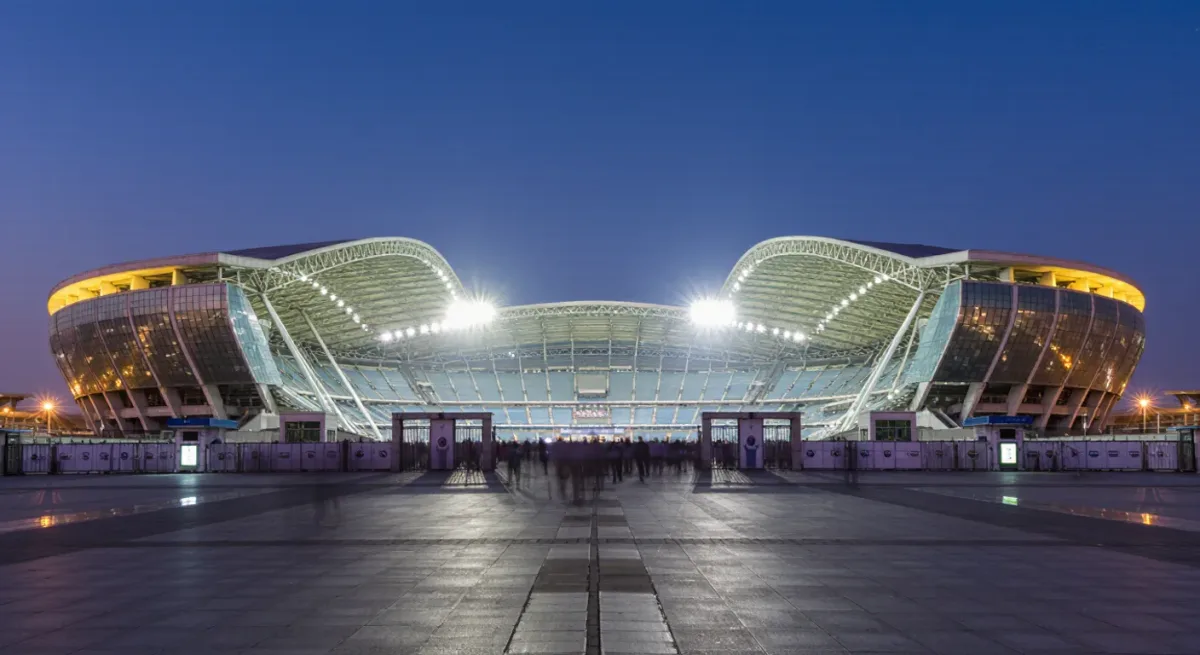
The Riyadh derby, Al Hilal against Al Nassr, informally the capital's clasico, is the league's highest-profile match and the one most likely to be staged for international broadcast windows. The Jeddah derby, Al Ittihad against Al Ahli, carries the port city's working-class football identity, and Al Ittihad's King Abdullah Sports City, the illuminated stadium known for its atmosphere, is the league's most regarded venue. Cross-city fixtures apart, the matches with continental stakes are those feeding Saudi slots in the AFC Champions League Elite, where the kingdom's clubs have been finalists and winners in recent editions, adding a second calendar of Asian fixtures to the domestic one.
Watching from abroad
- Broadcast: the league's international rights have spread across major sports platforms and regional sports networks by territory; in the MENA region, coverage runs through the Saudi Sports company channels and regional rights holders, with match schedules published on the league's official portal.
- Schedule rhythm: matchdays cluster Thursday through Saturday, with the marquee fixtures moved to late kickoffs for television.
- Language: Arabic commentary is the default; international broadcasts carry English and other language feeds.
- News: the clubs' own channels break transfer news first, and the league's official social accounts publish fixtures and venue changes.
Going to a match in Saudi Arabia
Attending is straightforward for visitors on tourist visas. Tickets sell digitally through the kingdom's main ticketing platform and club channels, prices for ordinary league matches are modest by European standards, and the bigger fixtures sell out within hours of release. Stadiums are family-sectioned, with segregated seating arrangements varying by venue, and the entry security is standard. Two practical notes matter: dress codes are relaxed but modest by regional norms, and alcohol is prohibited inside and outside venues, as everywhere in the kingdom. Getting to grounds in Riyadh and Jeddah is a short ride-hail trip, and marquee matches create genuine traffic peaks around kickoff.
| Club | City | Anchor fact |
|---|---|---|
| Al Hilal | Riyadh | Record Saudi champion |
| Al Nassr | Riyadh | Cristiano Ronaldo since January 2023 |
| Al Ittihad | Jeddah | Historic champion, Jeddah derby |
| Al Ahli | Jeddah | Rebuilt in the 2023 signings wave |
| Al Ettifaq, Al Qadsiah, Al Taawoun | Dammam, Khobar, Buraidah | Provincial fixtures, easier tickets |
Why it matters beyond football
The league's escalation is one arm of the kingdom's sports strategy, which runs through hosting rights and club investment toward the 2034 FIFA World Cup, awarded to Saudi Arabia as sole bidder for the tournament's centenary-adjacent edition, the first World Cup scheduled in the kingdom. Domestic attendance has grown with the signings, infrastructure investment has followed, and the league now functions as one of the country's most visible international calling cards, with the transfer market each summer treated as national business news. For the region's viewers, the shift is simpler: the Gulf stopped being only a buyer of European football content and became a producer of a domestic product with global distribution.
The matchday experience, concretely
Matchdays in the kingdom's big cities have their own choreography. Gates open two to three hours before kickoff, security lines move quickly at the family and single sections alike, and the pre-match build inside the grounds runs on drums and coordinated tifos that the clubs' ultras groups prepare for weeks. Kickoff times for the marquee fixtures run late, frequently 8 or 9 p.m., set for broadcast windows and summer heat alike, which pushes the post-match traffic peak toward midnight on weekends. Away allocations and ticket categories vary by club, and the biggest derbies sell out within hours of release on the ticketing platform, so travelers hoping for Al Hilal against Al Nassr should set release alerts and buy at once. Inside the grounds the standard rules apply region-wide: no alcohol anywhere in the kingdom, modest dress, and stadium re-entry not permitted. For visitors, the easiest first match is a provincial fixture, Al Taawoun in Buraidah or Al Qadsiah in Khobar, where tickets are plentiful, crowds are family-heavy and the football is the whole of the evening's business.
For another pillar of the region's shared public life, read our explainer on how prayer times structure the day across MENA, or browse the society and culture section.