Can you visit Saudi Arabia on a tourist visa? Yes. Since the program launched in 2019, citizens of roughly 60 countries can buy a one-year, multiple-entry eVisa online allowing stays of up to 90 days per visit, at a total cost around 535 riyals including mandatory insurance. Holders of valid US, UK or Schengen visas, and residents of GCC states, have further entry routes including visa on arrival.
The application runs through the official portal at visa.visitsaudi.com: passport data page, a digital photo, a health-insurance charge bundled at checkout and payment by card. Processing is typically minutes to a few days. The fee math as published: 300 riyals base, 140 riyals for the mandatory medical insurance, plus VAT, totaling about 535. Visa on arrival for eligible categories costs 480 including insurance, and GCC residents pay about 300. A free stopover visa of up to 96 hours is available when flying Saudia, and using it for a Riyadh or Jeddah layover has become one of the region's easier add-ons.
What the visa allows and what it does not
The tourist visa covers tourism activities broadly: heritage sites, festivals, Red Sea resorts, events and family visits arranged as tourism. It does not cover employment, study or religious pilgrimage visas territory: Umrah requires its own authorization through the Nusuk platform, and Hajj quotas run through national missions. Alcohol remains prohibited nationwide, with no duty-free allowance, and penalties for smuggling are severe; this is the single most common point of confusion for first-time visitors.
Dress and conduct rules have eased since 2019 but remain conservative by global standards. Women are no longer required to wear an abaya, modest loose clothing is the working norm, and women can drive on a valid foreign or international license. Unmarried couples may share hotel rooms, a rule formalized when tourism opened, though smaller properties in provincial towns sometimes ask differently. Public observance of Ramadan fasting hours affects restaurant openings for one month a year, and non-Muslims remain excluded from the Two Holy Mosques in Mecca and Medina, with checkpoint enforcement on the access roads.
What to actually visit
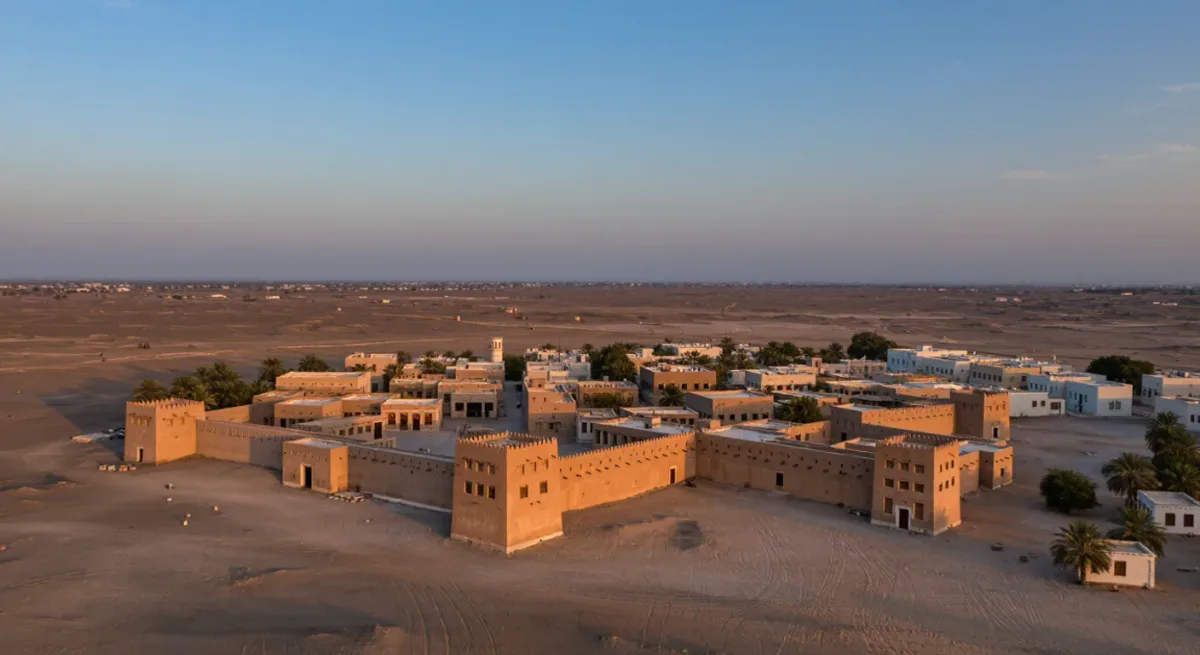
The tourism product has widened quickly, and four anchors carry most first trips. AlUla in the northwest holds Hegra, the Nabataean sister city of Petra and Saudi Arabia's first UNESCO World Heritage site, with the rock-cut tombs of Dadan and the old town of the oasis reachable on the same ticketing system; the December-to-March season is the comfortable window, with summer heat comparable to Jordan's desert but sharper. Diriyah, the mud-brick ancestral seat of the Al Saud on Riyadh's edge, is mid-renaissance as a heritage district with museums and dining. Jeddah's Al-Balad, the UNESCO-listed old town with coral-stone houses and the largest covered market network on the Red Sea, works as the arrival city for Mecca-bound travelers and Red Sea trips. And the Red Sea coast from Jeddah south to the new resort developments offers diving on reefs that carry far less pressure than Egypt's Sinai stations.
Money, season and logistics
- Costs on the ground: Riyadh and Jeddah sit near Gulf mid-range levels; heritage site tickets run from tens to low hundreds of riyals, with Hegra priced per route and vehicle options.
- Seasons: October to March for everywhere except the highlands and the Empty Quarter edges; summer pushes the calendar toward Taif, Abha and the southern Asir, which run green and mild when the interior bakes.
- Transport: domestic flights connect the main regions cheaply; the Riyadh-Dubai-Riyadh positioning is well served, and intercity buses cover the rest. AlUla has a small airport with selective seasonal routes.
- Payments: cards work almost everywhere; cash survives mainly in older souks and rural stops.
- Sim and apps: tourist sims at arrivals, and the Nusuk, AlUla and event apps are genuinely necessary for bookings and permits at several sites.
Things first-timers get wrong
The most common planning errors are seasonal rather than bureaucratic. Visitors combine Riyadh in August and blame the visa. The interior wants the October-to-March calendar, full stop, with the caveat that winter nights in the north drop near freezing. The second error is underestimating distances: Hegra to Riyadh is a two-hour flight or a ten-hour drive, so itineraries need domestic legs built in. The third is assuming restrictions feel heavier than they do; day-to-day movement, photography in heritage areas and mixed-group dining are ordinary now, and the rules that remain, mainly around alcohol and religious sites enforcement, are clear enough to plan around.
A first-timer's two-week framework
The kingdom's distances reward flying over driving, and a workable first itinerary runs Riyadh first: two nights for Diriyah at dusk, the National Museum and the Kingdom Centre's skybridge, with the Edge of the World escarpment trip as the half-day excursion north of the city. Fly Riyadh to AlUla for three nights, which covers Hegra with a licensed guide, the old town, Elephant Rock at sunset and one of the canyon trails; book Hegra and any event programming ahead because capacity controls are real. Then either fly to Jeddah for Al-Balad, the corniche and Red Sea diving day trips, or continue to Abha and the Asir highlands if the trip lands between June and September, when the green season makes the south the country's most comfortable region. Two weeks at that pace is full but not rushed; adding the Red Sea resorts or the Empty Quarter edges wants a third week or a second trip. Domestic flights between the four anchors run daily and are inexpensive by regional standards.
For coastal and classical alternatives around the region, our Carthage and Sidi Bou Said guide covers Tunisia's equivalent day-trip geometry, and the travel and heritage section holds the rest of the region's practical coverage.