Green hydrogen is the region's biggest bet on an export market that is still being built, and the MENA project map now divides cleanly into two categories: plants that have taken final investment decision, led by NEOM Green Hydrogen Company's $8.4 billion ammonia facility in Saudi Arabia, and everything else, the memoranda, framework agreements and land allocations that await offtake contracts and the financing that follows them. For readers tracking the sector, that two-category split is the analytical tool: money committed versus options taken.
NEOM: the anchor
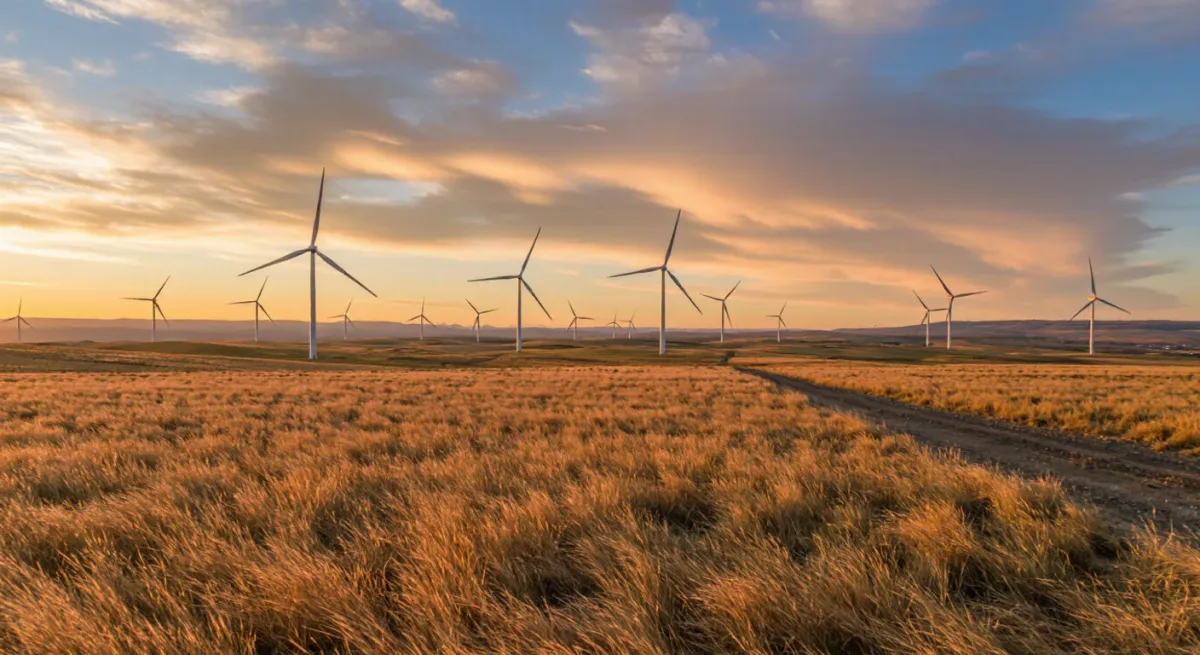
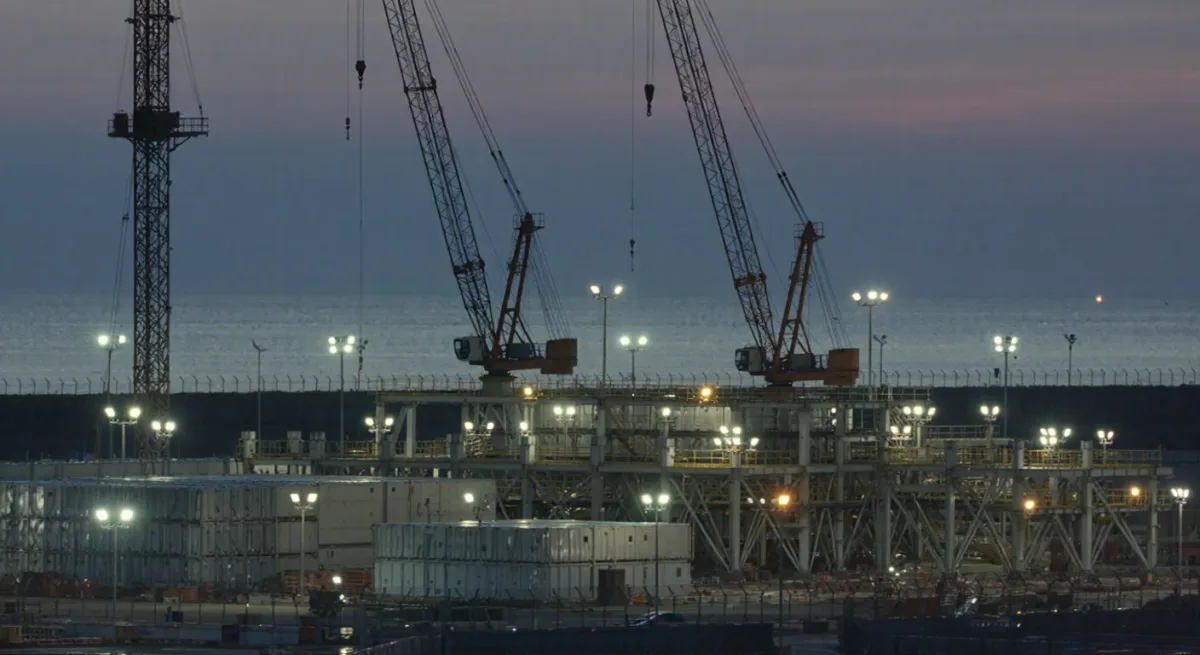
The NEOM Green Hydrogen Company, a joint venture of ACWA Power, Air Products and NEOM itself, took final investment decision in May 2023 on an $8.4 billion complex at Oxagon, the industrial city on NEOM's Red Sea coast. The engineering numbers explain its status as the region's benchmark: roughly 2.2 gigawatts of electrolysis powered by about 4 gigawatts of dedicated wind and solar, producing up to 600 tonnes of hydrogen per day, converted to ammonia for shipment, with the entire output contracted to Air Products for exclusive offtake and global distribution. First production is targeted for 2026, and the project's structure, one buyer underwriting the financing, is precisely what separates it from the rest of the region's pipeline.
Oman: the auction state
Oman built the region's most systematic hydrogen framework. HYDROM, the state's hydrogen orchestrator created in 2022, runs competitive auctions of government land in the Duqm and Dhofar zones, and has allocated successive blocs to consortia led by international developers, with BP, France's TotalEnergies, Belgium's Hyport, Saudi Arabia's ACWA Power and the local consortium among the winners across rounds. The model's logic mirrors the solar auctions that made the Gulf's photovoltaic tariffs famous: state land, grid and port commitments, transparent competition. The awarded projects target first production in the late 2020s into the 2030s, scaled to multi-gigawatt electrolysis across the full pipeline, with Oman's stated ambition running above a million tonnes per year of hydrogen-equivalent output.
Egypt, Morocco and the framework economies
Egypt's approach has been volume-of-agreements: a stack of framework MOUs for Green hydrogen and ammonia at the Suez Canal Economic Zone and elsewhere, signed at the COP27 summit in Sharm el-Sheikh in 2022 and since, with developers including European utilities and Middle Eastern producers. The flagship early demonstration, Fertiglobe's Egypt Green facility producing green ammonia at Ain Sokhna, began demonstration output around the 2022 summit, but the larger pipeline remains framework-stage, waiting on Egypt's fiscal terms and offtake. Morocco positions on phosphates and proximity to Europe, pairing ammonia potential with battery-materials industrial policy and piloting with European research programs; its concrete projects remain smallest-scale. The UAE and Bahrain hold feasibility-stage positions, and Jordan, Tunisia and Mauritania each host one or two flagship proposals of continental scale that await financing.
| Country | Venue | Status anchor |
|---|---|---|
| Saudi Arabia | NEOM/Oxagon | FID May 2023, $8.4bn, 600 t/day ammonia |
| Oman | Duqm, Dhofar (HYDROM) | Land auctions since 2022; first output late 2020s |
| Egypt | Suez Canal Economic Zone | MOU stack since COP27; demo ammonia at Ain Sokhna |
| Morocco | Multiple | Feasibility and pilots; phosphate-linked strategy |
Why MENA thinks it can win
The resource case is real: solar capacity factors in the Arabian interior and the Sahara are among the world's highest, land is available at scale, and the Gulf's project-financing machine, sovereign wealth, state utilities, proven auction administration, is the delivery capability most competitors lack. Geography supplies the demand logic: Europe's hydrogen import targets under its decarbonization strategy are the anchor market, and MENA's pipelines, ports and canal positions face it directly, with Japan and Korea the Pacific-facing offtakes for ammonia specifically.
What the sector is actually waiting for
The constraint is not electrolyzers or sunshine; it is contracted demand. Green ammonia and hydrogen remain more expensive than the fossil equivalents they would displace, and the buyers, fertilizer producers, refiners, power generators, steelmakers, will not sign long-term offtakes at premiums without regulation forcing or funding the difference. Europe's regulatory design, its certification rules for renewable fuels of non-biological origin and import mechanisms, is therefore the region's effective industrial policy, and every delay in that framework ripples through MENA project timelines. The certification plumbing, guarantees of origin, certification schemes that let a Gulf electron prove its greenness in Rotterdam, is the quiet battleground on which the exports depend.
How to track it honestly
- FID, not MOU: final investment decision with named financing is the line between project and proposal.
- Offtake: who has contracted to buy the output, for how long, at what indexation.
- Electrolyzer procurement: placed orders for the machines themselves are the sector's hardest signal.
- Regulation: European import and certification rulemaking moves MENA timelines more than any single project announcement.
The numbers a project must clear
The economics that decide whether proposals become steel run a simple chain. Renewable electrons at the Gulf's auction tariffs are the cheapest input in the world, but electrolysis at scale, compression or liquefaction, ammonia synthesis and shipping each add multiples, landing green ammonia at two to three times the fossil-equivalent price in current conditions. The offtake premium must be paid by someone: regulation-forced buyers in Europe, Japan's contract-for-difference program, Korea's clean-fuel mandates, or strategic customers paying for supply-chain decarbonization of their own accord. Water is the regional footnote with weight: desalination's energy cost is real at the scale these projects imply, and the Gulf's coasts price it into siting. Project finance wants fifteen-year offtakes; the buyers so far sign mostly five-year pilots, and that maturity mismatch, more than any engineering variable, is the sector's true bottleneck. The projects that have closed, NEOM above all, closed because one counterparty underwrote the whole chain, and the next tier waits for the policy mechanisms that spread the premium across many shoulders.
For the power-generation base beneath the molecules economy, see our guide to the Gulf's solar mega-projects, and browse the energy section for the region's transition coverage.